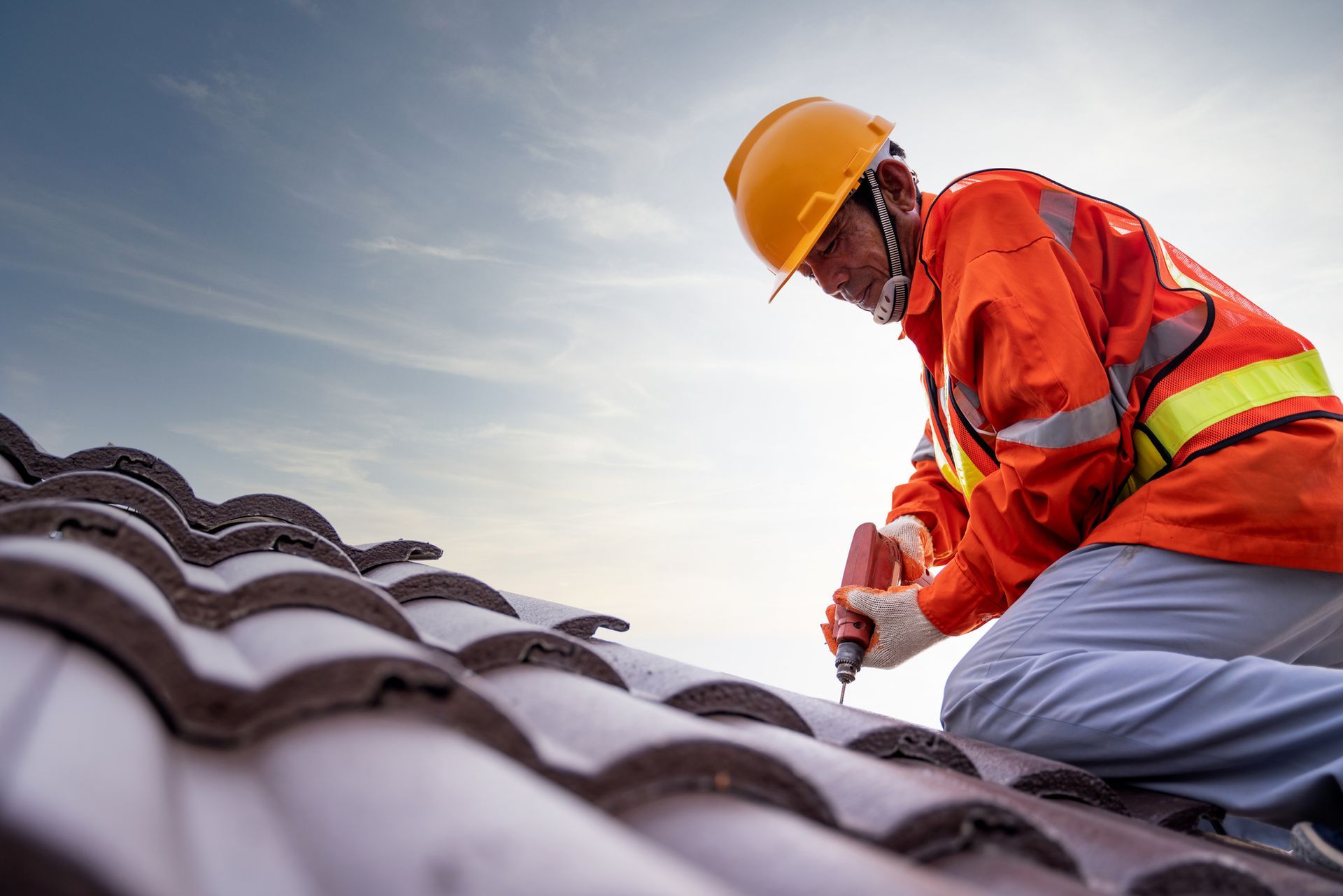
Best Time of Year to Replace Your Roof in Gloucester Point, VA: A Roofing Contractor's Seasonal Guide
Timing your roof replacement in Gloucester Point, VA, depends on local weather patterns, hurricane season, and how temperature and humidity affect asphalt shingle installation. Homeowners who work with an experienced roofing contractor can plan around these factors for a longer-lasting, better-bonded roof. This guide covers the best windows to target, what to avoid, and how Gloucester Point's coastal location near the York River plays a direct role in that decision.
Why Timing Matters for Roof Replacement in Gloucester Point, VA
Seasonal timing directly affects how well asphalt shingles bond to the roof deck. Gloucester Point sits along the York River where it meets the lower Chesapeake Bay, putting local homes in the path of high humidity, salt air, and Atlantic storm systems. These conditions make choosing the right installation window more important than in a landlocked area.
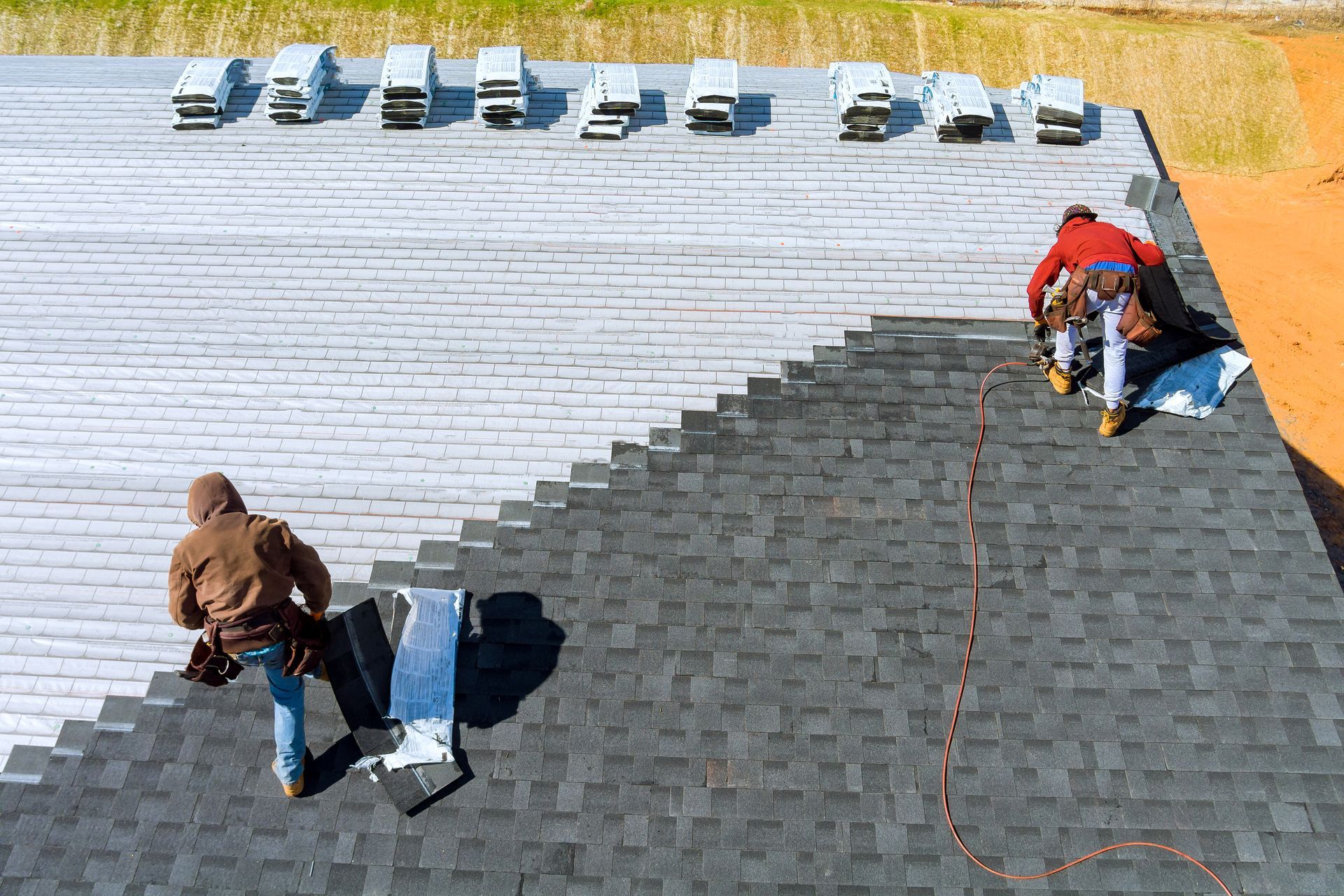
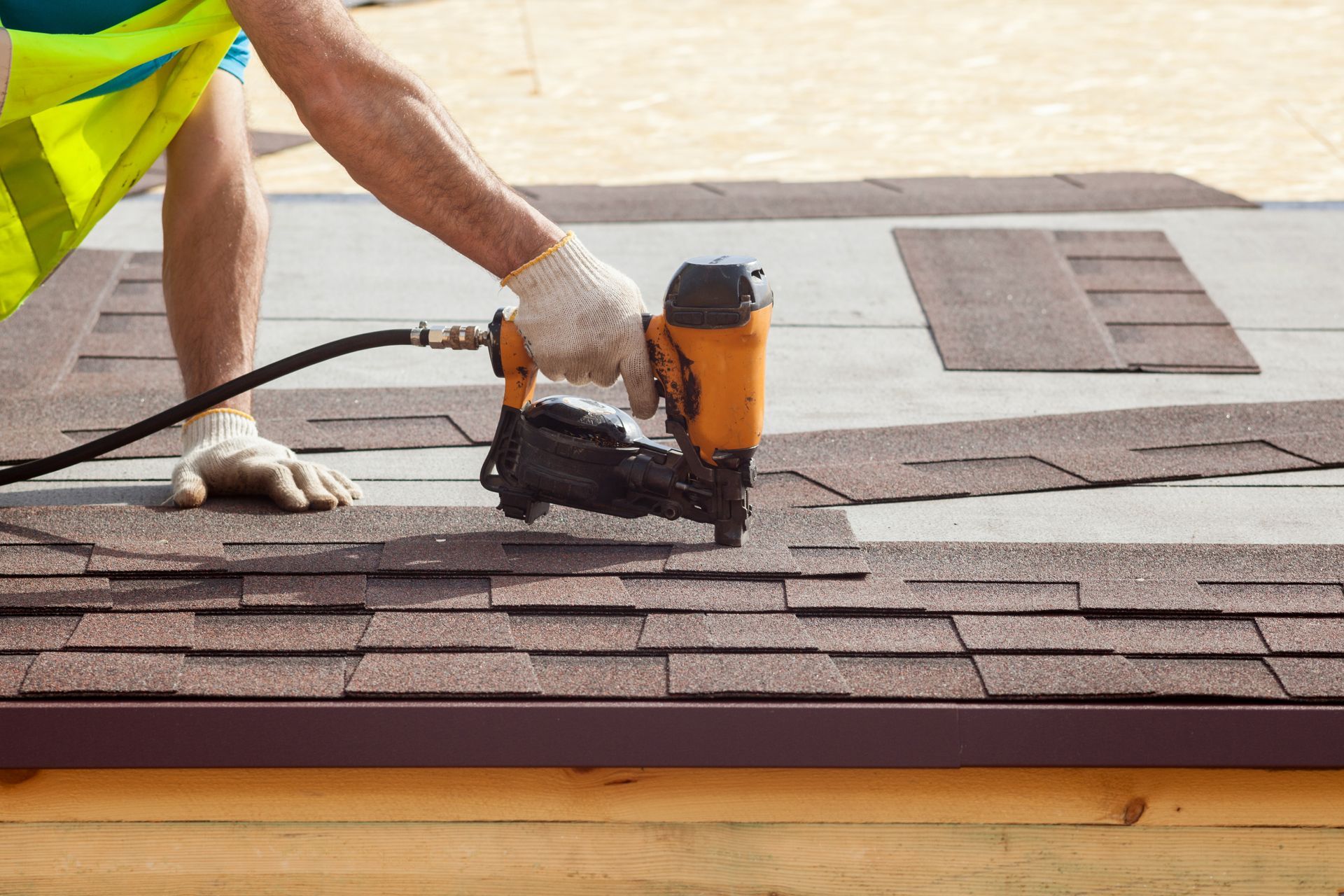
Asphalt shingles rely on a heat-activated adhesive strip that bonds to the shingle below. When temperatures are too low or humidity is too high, that bonding process can be delayed or incomplete. A roofing contractor serving Gloucester Point, VA, understands these local variables and can help you plan accordingly.
The Two Best Seasons for Roof Replacement
Fall is often the strongest window. Late September through November tends to offer mild, dry conditions that support proper shingle adhesion. After peak hurricane season, temperatures settle into a stable range and humidity drops compared to summer.
Spring, from mid-March through May, is also a solid choice. Temperatures climb into the ideal installation range, days are longer, and winter storm damage can be addressed before summer heat and storm season arrive. Spring rains along the mid-Atlantic coast can cause scheduling delays, so build extra lead time into your planning and contact a local roofing contractor early before crews fill up.
Why Fall Often Edges Out Spring
Asphalt shingles seal most effectively when daytime temperatures stay between 45°F and 85°F. Fall typically delivers lower humidity than spring in coastal Virginia, supporting that process better than a rainy May week. The tradeoff is that fall is the busiest season for roofing crews, so scheduling well in advance is important.
What Makes Summer and Winter Challenging
Summer is generally not the ideal time for roof replacement in Gloucester Point. July and August regularly see heat index values in the upper 90s to over 100°F, which can cause shingles to scuff during installation. High humidity delays adhesive curing. June through November is also the official Atlantic hurricane season, with peak threat typically running August through October.
Winter brings its own challenges. Cold temperatures make shingles stiff and brittle, and slow or prevent the self-sealing adhesive from activating, leaving shingles vulnerable to wind uplift. Gloucester Point winters can still dip well below the minimum threshold for reliable shingle adhesion.
What About Urgent Storm Damage?
If a storm causes significant damage, waiting for an ideal season is not always possible. A qualified roofing contractor can assess the situation and manage off-season installation safely. The priority is acting quickly to prevent further water intrusion.
Storm Prep Is a Gloucester Point Priority
Homeowners near the York River and the Coleman Bridge corridor face real storm risks. Gloucester Point can experience tropical storm-force winds from systems pushing up the Chesapeake Bay, and older roofs are especially vulnerable. A roof nearing the end of its service life heading into hurricane season may not survive a direct hit, even if it looks passable from the street.
The smartest time to replace a deteriorating roof is before hurricane season intensifies, typically before late July. Completing a replacement in late spring or early summer gives the new roof time to fully seal before the most active storm months arrive.
Salt air is another factor unique to waterfront homes here. Metal components like flashing, fasteners, and drip edge corrode faster than in inland areas, making pre-storm inspections especially valuable for catching hidden vulnerabilities.
How Scheduling Affects Contractor Availability
Early fall and late spring are the most popular times for roof work across the Hampton Roads region, and crews can book up weeks in advance. Homeowners who wait until they see active leaking often find themselves competing with neighbors for limited appointment slots.
Requesting a free estimate several weeks ahead of your target window gives you more flexibility. A post-storm surge in demand following a named tropical storm can extend wait times significantly across the Virginia Peninsula and Gloucester County.
Plan Ahead With the Right Roofing Contractor
If your roof may be approaching the end of its useful life, the most effective step is getting a professional inspection now. A reliable inspection clarifies whether repair or full replacement is the better path and gives you time to plan in the most favorable season rather than under emergency conditions. Learn more about residential roofing options at Residential Roofing Installation & Replacement Services.
Thomas Roofing & Supply has been serving the Hampton Roads area, including Gloucester Point, VA, since 1973. Visit the Request an Estimate page to get started, or call (757) 596-2281 to speak directly with someone on the team.
What Is the Best Time of Year to Replace a Roof in Gloucester Point, VA?
Late September through November and mid-March through May are generally the best windows. Fall tends to offer lower humidity and more stable temperatures, while spring provides longer days and a chance to address winter damage before storm season begins.
Can You Replace a Roof During Hurricane Season?
It is possible, but replacing a roof before peak hurricane activity, typically before late July, is preferable. If storm damage forces an emergency replacement during active storm season, a professional roofing contractor can manage the installation safely.
Does Humidity Affect Shingle Adhesion in Coastal Areas?
Yes. High humidity delays bonding for asphalt shingles in a consistently humid coastal area like Gloucester Point, which is why fall often outperforms summer for installation quality even when temperatures are similar.
How Far in Advance Should I Schedule a Roof Replacement?
At least four to six weeks ahead is a reasonable starting point during peak seasons. After a named storm affects Hampton Roads, local demand rises sharply, so earlier contact with a roofing contractor is always the safer approach.